
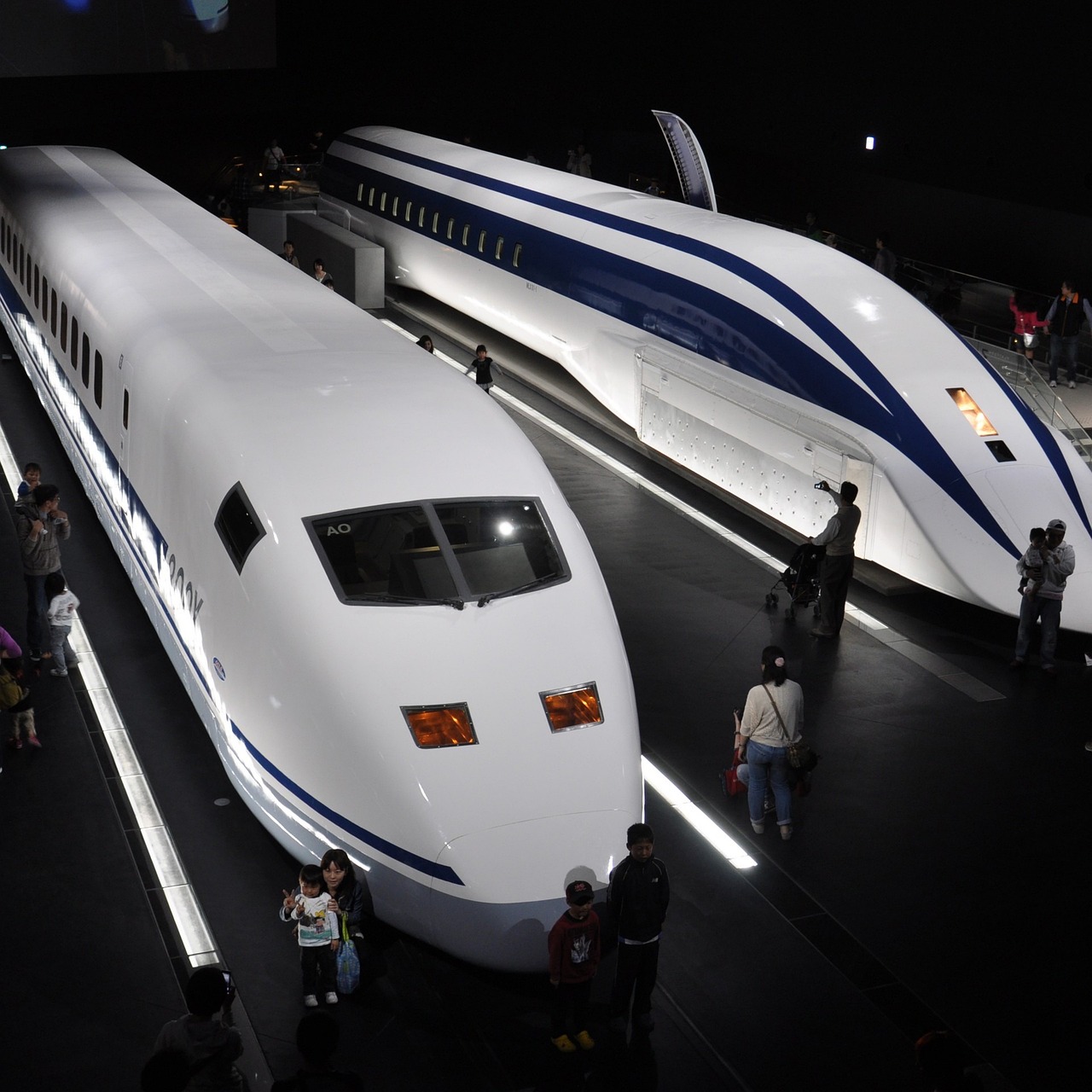
Out of everything that makes Japan one of the world’s tourist capitals, its public transportation system is, without doubt, one of the most impressive. The way young American children obsess over dinosaurs and astronauts, Japanese kids nerd out about trains. It’s not for no reason, either. It’s practically its own culture. A college course could be taught on the variety of trains and railways that traverse the country. The shinkansen is so internationally renowned, Hollywood threw Brad Pitt in one to film a silly blockbuster. Only the French train of its equivalent runs faster (but reliably behind schedule). Punctual, quiet, clean, and often packed full of sardines in suits; riding the train around Tokyo is an integral element of the Japanese experience.
However, there is a catch, my fellow travelers. It aint cheap. Trains don’t run past 1:00AM- with some stopping as early as 11:30PM. And despite being so organized, getting lost can be surprisingly easy. Luckily, I spent 6 years going in the opposite direction as intended so that you won’t have to. Below, I will list different train lines (in order of touristic utility), explain which regions of Kanto they cover, and name some key stops on the route.
NOTE: Japan Railway (JR) offers an unlimited pass for something like a week to 10 days, which is great for budget travelers. Keep in mind that you will be limited to JR trains, which occasionally makes your commute much longer than it would be by transferring railway systems.
JR Yamanote Line
The famous green one from all your favorite slice-of-life anime. The route runs in an oval around central Tokyo. Almost everything you’ll want to see is accessible via this transit.
Stations to get off at: Shibuya, Harajuku, Shinjuku, Akihabara, Tokyo, Shin-okuba (K-Town) Ikebukuro and Ueno are all stops on the Yamanote-Sen
Tokyu Toyoko / Minatomirai / Fukutoshin Lines (& more)- My personal favorite line. One end starts all the way down to Chinatown (literally), runs through Yokohama past Tokyo, going so far north, I’m not actually sure where it ends. The Limited Express train is your best option to navigate between Tokyo and Kanagawa so you can get the most out of the coast by day and the urban jungle by night.
Stations to get off at: Motomachi Chukagai (Chinatown), Minato Mirai, Yokohama, Tamagawa, Jiyugaoka, Gakugei Daigaku, Nakameguro, Shibuya, MeijiJingu Mae (Harajuku), Shinjuku Sanchome, and Ikebukuro.
Tokyo Metro Hibiya Line
My favorite line for foodie ventures. Most of my favorite restaurants are located near stops on this route. Tourists looking to scratch the party itch will become familiar with the Hibiya Sen, as it stops at the infamous Roppongi station. Anybody looking to get within walking distance to Tokyo Tower will also likely find themselves riding the gray line. Though the famous Tsukiji Fish Market has relocated to Toyosu, the restaurants that were open to the public remain near Tsukiji Station as well.
Stations to get off at: Naka-Meguro, Ebisu, Hiroo, Roppongi, Kamiyacho, Ginza, Tsukiji, Kodenmacho, Akihabara, and Ueno.
Tokyo Metro Hanzomon / Tokyu Den-en-Toshi Lines
Unless you’re going directly to the Sky Tree from Shibuya, it’s unlikely that you’ll be taking this train. There are a couple stops that justify it being on this list though. Oshiage (Sky Tree) alone is enough to add it, but there are a few other noteworthy stops to make the most out of your shopping days in Tokyo. Omotesando holds the reputation for having the highest commercial real-estate value in all of Japan. A must see for lovers of luxury and all things bourgeois
Stations to get off at: Oshiage (Skytree), Otemachi, Aoyama Itchome, Omotesando, Shibuya, and Futako-Tamagawa
Toei Asakusa Line
Asakusa is recognized as the cultural center of Tokyo. Its main draw is the breathtaking Senso temple. Senso-ji is an absolute must for anybody’s first trip to Tokyo, as it’s the largest Buddhist temple in Japan’s capital. In front of the temple, there’s a walking street lined with rows of cultural souvenir stands where you can spend hours finding keepsakes and gifts for loved ones back home. Surrounding the area in narrow alleys are delicious matcha, melon pan, and sushi establishments among other delicious eateries and izakaya (Japanese pubs). While the Asakusa Line mainly travels through suburban Tokyo, its main stop in Asakusa Station (only 1 minute from the temple) makes it a noteworthy transit route. It’s also a convenient connection to central Tokyo through Shimbashi Station. Its final stop is the aforementioned Oshiage (Skytree) station, making it a convenient train to use for a daytrip between Senso-Ji and Skytree. Though I much prefer the 20 minute walk between the two.
The real caveat: You can get from either Narita or Haneda Airports directly to Oshiage without transferring at certain times (make sure to check your route very carefully on your transit app)
Stations to get off at: Oshiage (Skytree), Asakusa, Higashi-Ginza, and Shimbashi
Tokyo Metro Ginza Line
Ginza is the lux capital of Tokyo. On my first trip to Japan, driving through the city for an hour, it was passing Ginza where I was taken aback by the streets of modern buildings with aaaallll that neon. It’s a must visit for shoppers and fine diners. That said, the Ginza line passes through a lot of other high-ticket destinations in Japan’s capital. Starting at Shibuya and ending at Asakusa, the Ginza Line covers a lot of the key destinations for your Tokyo vacation.
Stations to get off at: Shibuya, Omote-sando, Aoyama-itchome, Toranomon, Ginza, Ueno, and Asakusa
So there we have it, a not-so-short list of the 6 main train lines you’ll want to keep note of for your Tokyo trips. You’re starting to see why I’m so adamant about spending no less than 10 days visiting Tokyo. You could easily spend half a trip voluntarily getting lost hopping from train to train in the city and enjoying the experiences you’ll be surprised with. A guerilla traveler at heart, I recommend stopping anywhere you can, as many of Japan’s greatest qualities are found off the beaten path (or a mainstream online travel advisory). But for the sake of first-timers, this list will help you check off all of the must-do boxes in the world’s densest metropolis. Just be sure to be respectful and adhere to Tokyo’s Travel Tips and Precautions.
0 Comments